
Copart: Salvage Yard Operations
A former Copart operations manager walks through every detail of running a salvage yard—from greenfield construction costs and staffing requirements to loader specifications, towing logistics, and the proprietary IT systems that form the company's real competitive moat.
5 cuentos
 C 1
C 1Building a Copart yard: land, permits, and $3M in rock
Building a greenfield Copart yard takes ~10 months and $2.5–3.5M in land development, with costs running 5–10x higher in major metros and permitting timelines ranging from 60 days in eager small towns to a full year in California or New York.
In Practise — Articles4:301 news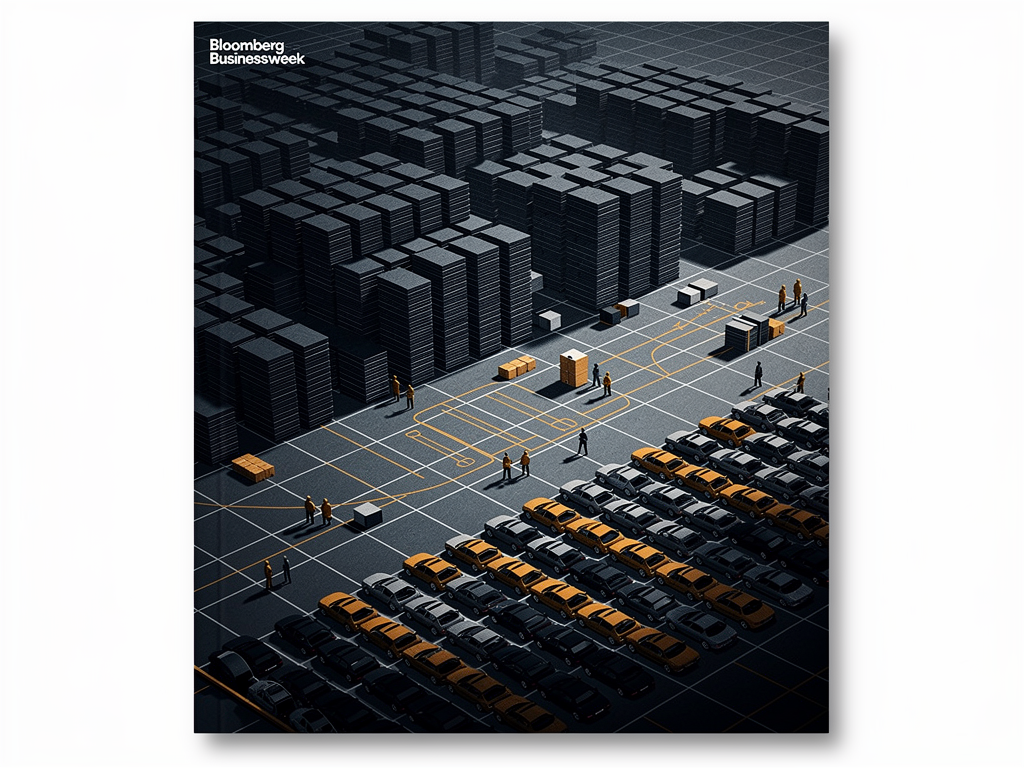 C 2
C 2Inside a 30-acre Copart yard: 65 cars, 11 staff
A 30-acre yard processing 65 cars/day runs on 11 employees—from $15/hr yard agents to $65–75K/year general managers—while packing 125+ cars per acre in 4-to-8-deep stacks and paving 4–5 acres for buyer-facing sale rows.
In Practise — Articles10:101 news C 3
C 3Copart's fleet: loaders, tow trucks, and wet brakes
Copart runs Caterpillar loaders at $115K each and a fleet of 800 tow trucks, cycling both at defined intervals—but skipping the wet-brake upgrade adds $40–50K in repair costs per loader, a lesson learned the hard way.
In Practise — Articles6:201 news C 4
C 4From wreck to auction: the economics of every car
Every car enters Copart with a $1.88 average tow cost and a $250–300 advance to the prior facility; from there it's photographed, titled through state bureaucracy, and sold at auction within a 60-day target—with Copart capturing a ~$100 margin on $198 delivery fees.
In Practise — Articles9:101 news C 5
C 5Copart's real moat: proprietary IT, not salvage yards
Copart's competitive advantage isn't the land—it's proprietary IT built entirely in-house, tracking KPIs from 30-minute first-call response to same-day title processing, while 50% of buyers are dismantlers and 35% of cars ship overseas.
In Practise — Articles4:272 news